

“I know I want rhinoplasty, but I am not sure what kind.” This is one of the most common statements heard during rhinoplasty consultations in Gurgaon. The concern is valid: rhinoplasty is not a single operation. It is a family of surgical techniques, and the right one depends entirely on what bothers the patient about their nose. A dorsal hump requires a different correction than a wide nasal base; a bulbous tip demands a different cartilage strategy than alar flare.
This post is a concern-by-concern decision guide for types of nose surgery. Each section maps a specific cosmetic complaint (dorsal hump, wide or flat nose, bulbous tip, alar flare) to the surgical technique used to address it, the expected recovery, plus who typically benefits most. The goal is to help patients arrive for a consultation with a clearer picture of what their surgery might involve.
Indian noses present distinct anatomical features — thicker skin, softer cartilage, wider alar bases — all of which influence technique selection. We recommend reviewing this post alongside a consultation, as every nose is evaluated individually. This content is general information only and not a substitute for medical advice from a qualified plastic surgeon.
Who This Article Is For
This guide is for patients who have moved past the “should I consider rhinoplasty?” stage and want to understand what their surgery would actually involve:
- Patients who dislike a specific feature of their nose (a bump on the bridge, a wide base, a rounded tip) and want to know which surgical technique addresses it
- People researching dorsal hump correction, rhinoplasty for a wide nose, or tip refinement surgery in India
- Anyone comparing surgical and non-surgical nose reshaping options to understand what each can and cannot achieve
- Patients planning a consultation and wanting to ask more informed questions
- Those who have a deviated septum and are considering whether to combine functional repair with cosmetic correction, a procedure covered in the septorhinoplasty guide
If the concern is purely functional (breathing difficulty without a cosmetic complaint), that septorhinoplasty guide is the better starting point.
Dorsal Hump Rhinoplasty: What Causes the Bump and How It Is Corrected
A dorsal hump is a visible bump on the bridge of the nose, composed of bone in its upper portion and cartilage lower down. It is the single most common reason patients seek rhinoplasty worldwide. The bump is reduced by carefully shaving or removing the excess bone and cartilage, then narrowing the nasal bones to create a smooth, straight profile.
Why Dorsal Humps Develop
Most nasal dorsal humps are inherited. In some cases, the hump results from trauma: a nasal fracture during childhood can cause irregular bone healing that leaves a visible ridge. Occasionally, what appears to be a hump is partly an illusion created by an under-projected tip; if the tip sits low, the bridge looks disproportionately high.
Understanding the cause matters because it changes the surgical plan. A cartilaginous hump in the lower bridge is handled differently from a bony hump in the upper third. A pseudo-hump caused by tip under-projection may be better addressed by augmenting the tip rather than reducing the bridge.
The Surgical Technique
Dorsal hump reduction typically involves two steps. First, the excess cartilage is trimmed with a scalpel and the bony prominence is reduced using a rasp or osteotome. Second, the nasal bones are fractured in a controlled manner (lateral osteotomy) and repositioned inward. Patients often do not anticipate this step. Without it, removing the hump leaves a flat, open-roof appearance. The osteotomy narrows the bones to restore a natural dorsal line.
For small humps (2-3 mm), rasping alone may suffice, and osteotomy can sometimes be avoided. For larger humps, osteotomy is nearly always required. The decision between an open or closed rhinoplasty approach depends on whether additional work (tip refinement, septum correction) is planned simultaneously.
Recovery After Hump Reduction
A nasal splint is worn for about seven days. Bruising around the eyes is common when osteotomy is performed and typically resolves within 10-14 days. Most patients return to desk work within a week, though swelling in the bridge area can persist for several months. The final profile is usually apparent by 6-9 months.
When the hump is the only concern (no tip work, no septum repair), recovery tends to be on the shorter end of the rhinoplasty spectrum. Combined procedures extend the timeline.
Candidacy Notes
Good candidates are patients with a visible bump that bothers them in profile. They should be in good general health with nasal growth complete (typically age 17-18 or older). Patients with very thick nasal skin, common in Indian noses, should understand that skin thickness can slightly mask the sharpness of the reduction, though results are still clearly visible.
A non-surgical alternative exists for patients with a minor hump or those not ready for surgery: hyaluronic acid filler can be injected above and below the bump to create a straighter profile. This is temporary (lasting 12-18 months) and camouflages rather than reduces the bump. Nasal filler carries specific vascular risks, including skin necrosis and, rarely, vision compromise, so it should only be performed by a trained injector experienced with facial vascular anatomy. The non-surgical rhinoplasty guide covers this option in detail.
Can Rhinoplasty Fix a Wide or Flat Nose?
Yes. Rhinoplasty for a wide nose is one of the most frequently requested procedures in Indian rhinoplasty practice, and the techniques differ substantially from hump reduction. Width can originate from three distinct structures: a broad bony vault (upper third), a wide middle vault (cartilaginous midportion), or flared nostrils with a wide alar base (lower third). Each requires its own approach, and in many patients more than one source of width is present.
Sources of Nasal Width
A flat, wide bridge is typically skeletal: the nasal bones sit apart at a wider angle. This is a common anatomical feature in South Asian and East Asian noses and is a normal variant, not a deformity. Patients seeking correction usually want a narrower, more defined bridge. The goal, discussed in the Indian nose anatomy post, is refinement that respects natural facial proportions.
Middle-vault width comes from the upper lateral cartilages. Lower-third width comes from the alar cartilages (contributing to a wide tip) and the alar base (the nostrils themselves). Accurate diagnosis of the contributing structure is essential, because addressing the wrong layer produces an unnatural result.
Surgical Techniques for Width Reduction
Bony vault narrowing is achieved through medial and lateral osteotomies. The nasal bones are fractured and repositioned closer to the midline. This is the same osteotomy used in hump reduction, but performed here for narrowing rather than smoothing.
Middle vault narrowing may involve spreader grafts (to reshape while maintaining airway) or suture techniques to bring the upper lateral cartilages closer together.
Alar base reduction (also called alarplasty or Weir excision) addresses nostril width by removing a small wedge of tissue from the base of each nostril. This is discussed in the alar flare section below.
For patients with a flat nasal bridge who want more projection rather than narrowing, dorsal augmentation using cartilage grafts or an implant is sometimes more appropriate.
Recovery for Wide-Nose Rhinoplasty
When osteotomy is involved, recovery mirrors hump reduction: splint for a week, bruising for 10-14 days, swelling over several months. If the procedure is limited to alar base reduction without osteotomy, recovery is considerably faster, with sutures out in about five days and most swelling resolved within two to three weeks.
Thick skin is a relevant factor here. In patients with thick nasal skin (common in Indian noses), post-operative swelling lasts longer. The final result may take 12-18 months for the tip and lower third to reach their definitive shape.
Who Benefits Most
Patients who feel their nose is disproportionately wide for their face or who want more bridge definition are typical candidates. Realistic expectations are especially relevant: thick skin imposes a ceiling on how much refinement is visible externally, and this should be discussed candidly during the consultation — see our guide to what rhinoplasty can and cannot change for the broader picture.
Bulbous Tip Refinement: Techniques, Limits, and What to Expect
A bulbous nasal tip appears round or under-defined. The usual causes are wide lower lateral cartilages, excess soft tissue over the tip, or both. Tip rhinoplasty addresses this by reshaping the cartilage framework and, when needed, reducing the soft tissue envelope. It is among the most technically demanding rhinoplasty procedures because small changes at the tip produce visible differences in the nose’s overall appearance.
Why Tips Appear Bulbous
The lower lateral cartilages (also called alar cartilages) form the structural skeleton of the nasal tip. When these cartilages are wide or divergent, the tip lacks definition. In Indian patients, thick skin over the tip compounds the problem because the thick skin may not shrink-wrap to the new cartilage shape as readily as thin skin would.
Genetics is the primary driver. Trauma can occasionally alter tip shape, but most bulbous tips are simply inherited structural variants.
Surgical Approaches to Tip Refinement
Several techniques are used, often in combination:
- Cephalic trim: A strip of the upper edge of each lower lateral cartilage is removed, reducing cartilage width and allowing the tip to narrow. At least 6-8 mm of cartilage width is preserved to maintain structural support.
- Dome suturing: The cartilage domes are sutured together to narrow and define the tip. This cartilage-preserving technique reshapes without removing tissue.
- Tip grafts: A small cartilage graft (typically from the septum) is placed at the tip to add definition and projection.
- Defatting: In patients with thick subcutaneous tissue over the tip, careful removal of excess soft tissue helps the skin conform to the reshaped cartilage.
Tip rhinoplasty is almost always performed through an open rhinoplasty approach because direct visualization of the cartilage framework is necessary for precise graft positioning.
Recovery After Tip Surgery
A tip splint or taping is maintained for one to two weeks. Tip swelling is the slowest component of rhinoplasty recovery. Significant tip swelling commonly persists at three months, with the final shape not apparent for 12-18 months. Patients with thick skin should anticipate the longer end of this range.
Contact sports and activities that risk nasal trauma should be avoided for at least six weeks.
Candidacy Considerations
Tip rhinoplasty candidates are patients specifically bothered by a poorly defined tip. In patients with very thick nasal tip skin, there is a limit to how much refinement is achievable. Surgery can meaningfully improve definition, but it may not produce the sculpted tip sometimes seen in photos of thin-skinned patients. This is discussed during consultation so expectations align with what is surgically realistic.
What Does Alar Reduction Surgery Involve?
Alar reduction (alarplasty) narrows the nostrils or reduces alar flare (the outward curve of the nostril wings). It is one of the simpler rhinoplasty procedures, performed standalone or combined with other techniques. A small wedge of tissue is removed from the alar base, the nostril sill, or both, with sutures placed in the natural crease where the nostril meets the cheek.
When Alar Flare Is the Primary Concern
Alar flare refers to nostrils that curve outward beyond the alar base, creating a wider appearance at the lower third of the nose. It is distinct from a wide alar base (where the base itself is broad), though both can coexist. In Indian patients, mild to moderate alar flare is a common anatomical feature. Surgery is considered when the flare is disproportionate to the rest of the face or when it persists after other rhinoplasty work.
When alar flare is the only nasal concern, alarplasty can be performed as a standalone procedure under local anaesthesia, without the full infrastructure of a rhinoplasty.
The Surgical Technique
Two main excision patterns are used:
- Weir excision (external): A crescent-shaped wedge of skin is removed from the outer alar base, reducing the flare. The scar sits in the alar-facial crease, where it typically heals inconspicuously.
- Sill excision (internal): Tissue is removed from the nostril floor (sill), narrowing the base without an external scar. This is used when the base is wide but the flare is minimal.
- Combined excision: Both external and internal tissue are removed when the patient has both alar flare and a wide base.
The amount of tissue removed is measured in millimetres and planned precisely. Over-resection is difficult to reverse and can create a pinched, unnatural appearance. Conservative excision with the option of minor revision is preferred.
Recovery After Alar Reduction
Recovery from standalone alar reduction is relatively straightforward. Sutures are removed in five to seven days and mild swelling resolves within two to three weeks. Scarring is minimal in most patients, though patients with a tendency toward keloid or hypertrophic scarring should discuss this risk beforehand. Return to normal activities is typically possible within three to five days.
When alar reduction is combined with hump reduction, tip work, or osteotomy, recovery follows the longer timeline dictated by those additional procedures.
Combining Concerns: When Multiple Corrections Are Done Together
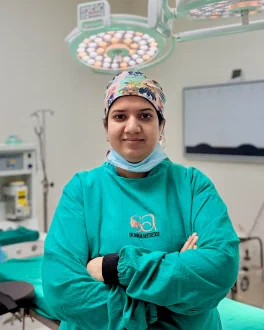
Multiple nasal concerns are routinely addressed in a single operation, and combined rhinoplasty is in fact more common than single-concern procedures. A dorsal hump often coexists with a drooping tip, while a wide nose may involve both a broad bony vault and alar flare. In Dr. Shikha Bansal’s Gurgaon practice (MCh Plastic and Reconstructive Surgery, SMS Medical College, Jaipur), two or three concerns are frequently corrected in one sitting. Revision rates in rhinoplasty vary across the literature but are generally estimated in the range of 5 to 15 percent; combined procedures and thick skin are factors that can increase the likelihood of a touch-up procedure.
How Combined Surgery Affects Planning
Each additional concern adds operative time and complexity. A hump-only rhinoplasty may take 60-90 minutes; a combined hump-tip-alar procedure may take two to three hours. The surgical plan is mapped during the consultation using photographs and measurements, often supplemented by computer imaging to simulate expected outcomes.
The open rhinoplasty approach is used for most combined procedures because it provides the visibility needed to work on multiple nasal structures in one session.
Recovery for Combined Procedures
Recovery follows the most demanding component. A combined hump reduction with osteotomy plus tip refinement typically involves:
- Nasal splint for 7 days
- Bruising around the eyes for 10-14 days
- Return to desk work in 7-10 days
- Social presentability (swelling not obvious to others) in 3-4 weeks
- Bridge shape finalized in 6-9 months
- Tip shape finalized in 12-18 months
Patients with a deviated septum who also want cosmetic correction can combine both into a single surgery (septorhinoplasty), which is covered separately in the septorhinoplasty guide.
Risks and Complications
Like any surgery, rhinoplasty carries risks that should be weighed against the expected benefit. Common early complications include bleeding or infection; prolonged swelling is also possible. Asymmetry is possible, particularly in combined procedures where multiple structures are modified.
Changes to the nasal framework, especially osteotomy and cartilage trimming, can occasionally narrow the internal nasal valve and cause nasal obstruction. This risk is assessed during surgical planning, and septoplasty is combined when indicated to preserve airflow. Numbness of the nasal tip is typical in the first weeks and resolves in most patients within a few months.
Poor scarring (hypertrophic or keloid) is uncommon but more relevant for external incisions used in alarplasty or open rhinoplasty. Septal perforation is a rare but recognised complication, particularly when septal cartilage is harvested for grafting or when septoplasty is performed alongside the cosmetic correction. Dissatisfaction with the cosmetic outcome may lead to revision surgery; revision rates in rhinoplasty are generally estimated at 5 to 15 percent across the literature. General anaesthesia carries its own risk profile, reviewed during pre-operative assessment. These risks are discussed during consultation so the patient can make an informed decision.
Rhinoplasty Cost by Concern in Gurgaon
Rhinoplasty pricing varies by complexity and the number of concerns addressed. The ranges below reflect starting-from costs at the clinic in Sector 43, Sushant Lok Phase I, Gurgaon, and include surgeon fees, anaesthesia, facility charges. Consumables or grafting materials may add to this. For a detailed breakdown, see the cost guide.
| Concern | Typical Approach | Starting From (INR) |
|---|---|---|
| Dorsal hump reduction (isolated) | Closed or open | 1,00,000 |
| Wide nose / osteotomy | Open | 1,25,000 |
| Tip rhinoplasty (isolated) | Open | 1,00,000 |
| Alar reduction (standalone) | Local anaesthesia | 40,000 |
| Combined (hump + tip + alar) | Open | 1,50,000 |
| Septorhinoplasty (functional + cosmetic) | Open | 1,50,000 |
EMI options are available. A consultation is necessary for an accurate estimate, as the final cost depends on the surgical plan for each patient’s anatomy.
Frequently Asked Questions
Can a dorsal hump come back after rhinoplasty?
Recurrence of a dorsal hump after properly performed rhinoplasty is uncommon. Minor irregularities may become palpable as swelling resolves, but true regrowth of bone or cartilage is rare. If a small residual bump is present after full healing (12-18 months), it can usually be addressed with a minor revision.
Is rhinoplasty for a wide nose different for Indian patients?
The principles are the same, but the execution often differs. Indian noses tend to have thicker skin with weaker cartilage and wider alar bases compared to Caucasian noses. Techniques like osteotomy, cartilage grafting, and alar base reduction are therefore used more frequently. Surgeons experienced with Indian nose anatomy adjust their approach to account for these structural differences. The anatomy guide explains this in detail.
How long does tip swelling last after tip rhinoplasty?
Tip swelling is the most persistent part of rhinoplasty recovery. Most visible swelling resolves within three to four months, but subtle fullness can persist for 12-18 months. Patients with thick nasal skin tend to experience the longer end of this range. Taping the tip at night during the first few months can help.
Can alar reduction be done without full rhinoplasty?
Yes. Alar reduction (alarplasty) is routinely performed as a standalone procedure under local anaesthesia. It takes approximately 30-45 minutes and does not require nasal packing or a splint. It is appropriate when the only concern is nostril width or alar flare.
Will rhinoplasty affect my breathing?
A well-planned cosmetic rhinoplasty aims to preserve or improve airflow. However, changes to the nasal framework, particularly osteotomy and cartilage trimming, can occasionally narrow the internal valve. This risk is assessed and managed during surgical planning. In cases where a deviated septum or internal valve narrowing already limits airflow, combining septoplasty with the cosmetic procedure can improve both form and function.
How do I know which type of nose surgery I need?
A clinical examination is necessary. The surgeon assesses nasal structure, skin thickness, tip support, and alar width during an in-person consultation. Photographs and imaging are used to develop a surgical plan. This post can help patients identify which concern category they fall into, but the specific technique is determined during evaluation.
The right rhinoplasty plan starts with a clear understanding of what specifically bothers the patient about their nose. Whether the concern is a dorsal hump, nasal width, tip shape, alar flare, or a combination, the surgical approach is tailored to that anatomy. Patients considering nose shape surgery in Gurgaon or Delhi NCR are welcome to discuss their concerns and surgical options during a consultation. Book a consultation