

Breast implants can stay comfortable for years. Sometimes decades. But they are not permanent, and your body isn’t static either. At some point, something may shift, literally or figuratively. Maybe one breast feels firmer than it used to. Maybe you look in the mirror and the shape just doesn’t sit right anymore. Or maybe your priorities have changed and you’d rather not have implants at all.
None of that automatically means something is wrong. But it does mean it’s worth asking: do these implants still work for me?
This guide walks through the signs worth paying attention to, the difference between revision and removal, and what a proper evaluation looks like before anyone makes a surgical plan.
Who is this for?
You’ll get the most out of this if you:
- have implants and something about them has changed, whether that’s shape, feel, comfort, or just how you think about them
- are noticing firmness, lopsidedness, or discomfort and aren’t sure if it’s normal
- had a pregnancy, weight change, or just got older and your implants feel different now
- want a straight explanation of revision vs removal without the scare tactics
- are still deciding on breast augmentation and want to understand what happens years down the line
Why women rethink their implants
There’s no single reason. Usually it falls somewhere in these buckets:
1. Something looks or feels different
Hardening. Shifting. Dropping. One side sitting lower than the other. Rippling that wasn’t there before. Sometimes the implant caused the problem. Sometimes it’s just that your breast tissue and skin changed around it over time. Hard to tell without an exam.
2. Something hurts or feels off
Pain, tightness, swelling, a new difference between both sides. These aren’t things you should try to diagnose from Google. Get examined. Depending on what’s going on, you might need an ultrasound, mammogram, or MRI.
3. You just don’t want them anymore
Plenty of women reach a point where the size, the maintenance, or just the fact of having implants doesn’t suit this chapter of their life. That’s a perfectly reasonable reason to come in for a consult. Revision isn’t only about fixing problems. It can be about updating a decision you made years ago.
“Implants aren’t lifetime devices” — what does that actually mean?
You hear this phrase a lot. It doesn’t mean you need to swap your implants on a schedule, like changing car tyres. Some implants stay fine for a very long time.
What it means is: these are devices inside your body, and they need periodic attention. Monitoring. Maybe imaging. Eventually, possibly, another surgery. How soon or whether that happens depends on how the implant is holding up, how your body has changed, and what you want going forward.
And your body will change. Pregnancy, breastfeeding, weight swings, menopause, plain old aging — all of these affect how an implant sits and how the breast looks around it. A result that looked perfect at 30 may feel off at 45 even if the implant itself is completely intact.
Signs worth getting checked
Not everything needs a trip to the surgeon. But the following are worth bringing up.
Shape or position changes
- one breast sits noticeably higher, lower, or further to the side than before
- the two breasts no longer match in shape or level
- the implant seems to have moved, or the lower part of the breast has changed
- the breast looks droopier even though the implant size hasn’t changed
Changes in how it feels
- new firmness or tightness on one side
- one breast feels harder than the other
- you can feel the implant edges more than you used to
- a breast that used to feel soft now feels stiff or less mobile
Comfort changes
- ongoing heaviness or tightness that wasn’t there before
- pain that seems linked to the implant area and doesn’t resolve
- the implant size or weight bothering you during exercise or daily life
Surface changes you can see
- rippling that’s become more visible
- uneven contour
- skin thinning or stretching
- a result that looks different after pregnancy or weight change
Things that probably need imaging
- sudden swelling on one side
- a clear new asymmetry
- worry about rupture
- persistent firmness (could be capsular contracture)
- not being sure if the issue is the implant, the scar capsule, or natural tissue change
None of these confirm a specific diagnosis. They’re signals that an exam is overdue.
Common reasons for implant revision
Revision means correcting or updating an existing implant result. The specifics depend on what’s wrong.
- Capsular contracture: the scar tissue around the implant has tightened, making the breast feel hard, look distorted, or hurt.
- Malposition: the implant has drifted too high, too low, too far apart, or too close together.
- Rupture or integrity concerns: suspected from symptoms, exam, or imaging.
- Visible rippling or edge show: more common when there isn’t much tissue covering the implant.
- Unhappiness with size or shape: wanting something smaller, more proportionate, or more symmetric.
- Changes from pregnancy, aging, or weight shifts: the implant is fine, but the tissue around it isn’t what it was.
Revision might mean replacing the implant, changing its size or profile, adjusting the pocket, treating scar tissue, or adding a breast lift if sagging is part of the picture.
Common reasons for implant removal
Removal means taking the implants out. That can happen with or without reshaping or replacement.
Women ask about removal because:
- they don’t want implants anymore, or they want a smaller, lighter chest
- they’d rather not deal with ongoing maintenance
- they’re uncomfortable and prefer taking them out over putting new ones in
- exam or imaging showed something that makes removal the smarter option
- their life, their exercise routine, or how they feel about their body has changed
Some women are totally fine with a smaller shape after removal. Others want some volume back. That conversation matters before surgery, because you should know what your breast is likely to look like afterward given your tissue, skin, and nipple position.
Revision vs removal: quick comparison
| Question | Revision | Removal |
|---|---|---|
| Main goal | Fix or update an implant result | Take out implants that no longer fit your body or goals |
| Implant after surgery | Usually yes, often a different one | No implant unless you pair removal with replacement |
| Common reasons | Contracture, malposition, rupture, rippling, size change, asymmetry | Preference change, discomfort, maintenance fatigue, medical findings |
| May include extra steps | Pocket adjustment, capsule surgery, implant exchange, lift | Capsule treatment, reshaping, lift, fat transfer in some cases |
| Best next step | Exam and plan based on the specific problem | Exam and honest discussion of expected shape after explant |
The decision isn’t always clean. Some women come in wanting removal and end up choosing a smaller implant with reshaping. Others start asking about revision and realize they’d rather just be done with implants.
Terms you may hear during evaluation
Capsular contracture
Your body forms a scar capsule around every implant. That’s normal. Capsular contracture is when that capsule tightens enough to make the breast feel firm, look distorted, or cause pain. Not every firm breast has contracture, which is exactly why you need an exam rather than guessing.
Rupture
The implant shell has broken. Depending on the implant type and your situation, this can be obvious or silent. Some women notice a shape change. Others find out during routine imaging or an exam for something else entirely.
Malposition
The implant has shifted from where it should be. The breast might look too low, too high, too wide, or noticeably uneven compared to the other side.
Tissue and skin changes
Sometimes the implant itself is fine. The problem is that your breast tissue has thinned, stretched, or dropped over time. In those cases, a lift or a size change may do more good than just swapping in the same implant.
Why imaging sometimes comes first
A good consult shouldn’t run on guesswork. Sometimes imaging is needed to understand what’s actually going on before making a plan.
Ultrasound can help in certain situations. Mammography works fine with implants using modified views. MRI is sometimes the right choice when implant integrity needs a closer look. Which test makes sense depends on your symptoms, your age, your screening history, and what the physical exam shows.
This matters because symptoms overlap. A firm breast could mean the capsule is tightening, the implant shifted, or the tissue changed. Swelling could have more than one explanation. You need the right diagnosis before you can pick the right surgery.
What happens after removal?
This is the question everyone asks: “If I take the implants out, what will I look like?”
It depends on your tissue, skin quality, and what you’re hoping for.
- Removal alone works if you’re comfortable with a smaller breast and don’t need much reshaping.
- Removal with replacement makes sense if you still want volume but need a different implant, a different pocket, or a correction.
- Removal with a lift helps when the nipple position or loose skin would leave things looking deflated.
- Fat transfer can work in some cases. Breast fat transfer can soften contour or add back modest volume, but it’s not right for everyone and it won’t replace what a larger implant gave you.
If you’re unsure whether you even want another implant, reading through the trade-offs in breast augmentation vs fat transfer can help you think it through.
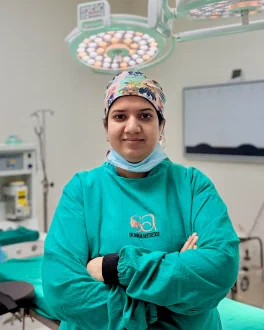
How Dr. Shikha Bansal approaches these consultations
The first goal isn’t picking a surgery. It’s figuring out what’s actually bothering you and why.
That means talking through:
- what changed and when you first noticed it
- whether the concern is appearance, comfort, or both
- details from your original surgery, if you have them
- whether pregnancy, weight change, or aging changed the breast envelope
- what you’d be okay with if the implants came out
The point is to separate device problems from normal tissue changes and build a plan that actually matches your situation.
When to see a plastic surgeon
Come in for a review if:
- one or both breasts have gotten firmer
- the shape or symmetry has shifted
- you have discomfort, tightness, or heaviness that won’t go away
- you think the implants no longer fit your body or your life
- you want removal but aren’t sure what to expect afterward
- you need someone experienced to walk you through the options
If you’re in Gurgaon or the Delhi NCR area, the consultation should be about assessment and clarity, not pressure. You can book a consultation if you’d like a review.
Frequently asked questions
Does every woman with implants eventually need another surgery?
No. There’s no automatic expiration date. But implants are devices, and devices sometimes need attention. Whether and when that happens depends on symptoms, imaging, how your body ages, and what you want.
How do I know if I need revision or removal?
You probably can’t figure that out from symptoms alone. It depends on what the exam shows, whether imaging turns up anything, and what your current goals are.
Is pain always a sign of rupture?
No. Pain or tightness can come from capsular contracture, muscle changes, tissue shifts, or other things that need proper evaluation.
Can implants be removed and replaced in the same surgery?
Often, yes. In some cases though, the surgeon may recommend staging things differently based on tissue quality, scar tissue, or how much reshaping is needed.
Will my breasts look flat or empty after removal?
That depends on your natural tissue, how much the skin has stretched, the implant size, and how long you’ve had them. Some women look and feel fine after removal alone. Others do better with a lift, a smaller replacement, or modest fat transfer.
Can fat transfer replace implants?
In some cases, partially. Fat transfer adds modest volume and depends on having enough donor fat. It won’t replicate what a larger implant gave you, so expectations need to be realistic.
What to do next
Implant revision or removal isn’t always about fixing a complication. A lot of the time it’s about re-evaluating whether what you have still fits where you are now, physically and personally. A proper consult can sort out the problem, figure out if imaging is needed, and lay out your real options without rushing you into anything.
If things have changed since your augmentation, or you’re simply reconsidering, Dr. Shikha Bansal can help you work through whether revision, removal, or a different approach makes sense for where you are now.