If you are considering a tummy tuck, asking what can go wrong is reasonable. So is asking what warning signs matter, and how a responsible surgeon reduces the chance of things going wrong in the first place.
That does not make you negative or fearful. It makes you careful.
Every surgical procedure carries some risk, including elective cosmetic surgery. A balanced discussion of risk is not a signal that tummy tuck surgery is “unsafe” in some blanket way — it is part of good consent, good planning, and good patient care.
This guide covers common tummy tuck concerns in plain language, the factors that tend to raise complication risk, the difference between normal early recovery discomfort and symptoms that need prompt review, and questions worth raising before you decide. The goal is not to alarm you. It is to help you go into consultation with clearer expectations.
Who this article is for
This may be useful if you are researching tummy tuck surgery carefully before committing, trying to understand realistic risk without the extreme stories that circulate online, or wondering how smoking, weight, diabetes, or prior surgery might affect your safety. It is also relevant if you are comparing whether a tummy tuck alone or a broader mommy makeover discussion makes sense, or if you are unsure which post-operative symptoms are normal and which should prompt a call.
It is especially relevant for patients who want a medically responsible explanation rather than marketing reassurance.
Why every tummy tuck carries some risk
A tummy tuck — also called abdominoplasty — is a real operation. It involves anesthesia, tissue lifting, wound healing, scar formation, and sometimes repair of the abdominal wall muscles. Whenever the body goes through surgery, there is the possibility of bleeding, infection, fluid collection, delayed healing, anesthesia-related problems, and results that do not heal exactly as hoped.
No ethical surgeon should describe that risk as zero.
What responsible care aims to do is reduce avoidable risk through careful patient selection, appropriate surgical planning, safe operating standards, good pre-operative preparation, and close follow-up afterward. That is why risk conversations belong before surgery, not after a problem develops.
Common issues patients should know about
Not every problem after surgery is a serious complication, but it helps to understand what can come up.
Bleeding and blood collection
Some bruising and mild drainage are expected early on. More significant bleeding or a blood collection under the skin — a haematoma — may need assessment and sometimes drainage.
Infection
Infection can be mild and localized, or in some cases more serious. Warning signs include increasing redness, worsening pain, fever, foul-smelling drainage, or a wound that seems to be deteriorating rather than slowly settling.
Seroma
A seroma is a fluid collection that builds up under the skin after surgery. It is one of the more commonly discussed issues after tummy tucks. Patients may notice swelling that feels localized, shifting, or persistent in a way that does not match the usual healing pattern. Some seromas resolve with management, but they should be reviewed rather than ignored.
Delayed wound healing
Parts of the incision may heal more slowly than expected. Small wound openings, fragile skin edges, or delayed closure can happen, particularly in patients with higher healing risk. This is one reason smoking cessation, diabetes control, and managing tension on tissues matter so much.
Skin or tissue compromise
Tummy tuck surgery depends on the skin and soft tissue maintaining adequate blood supply. Any factor that reduces circulation — nicotine is a significant one — raises the chance of tissue stress or healing trouble. This is why nicotine use is taken seriously before elective body contouring surgery, not just cigarettes but vaping and some nicotine replacement products too.
Scarring
All tummy tucks create scars. Many heal acceptably. But scar quality varies considerably from person to person, and some scars become wider, darker, raised, or uneven. No surgeon can promise a specific scar outcome. The honest answer is that you will have a scar, its final appearance will take months to settle, and individual healing varies.
Contour irregularity or asymmetry
Healing is not perfectly symmetrical. Mild asymmetry, firmness, or contour concerns may settle with time. Some issues take longer to assess, and a small number may eventually need correction.
Blood clots and anesthesia risks
As with any operation, there are broader risks including deep vein thrombosis, pulmonary complications, or anesthesia-related problems. These are influenced by overall health, how long the procedure takes, post-operative mobility, and individual risk profile.
What usually raises complication risk
One of the more useful consultation questions is not just “What are the risks?” but “What makes those risks more likely in my case?”
Risk tends to rise when one or more of the following are present:
- smoking or nicotine use, including vaping and some nicotine replacement products
- poorly controlled diabetes or other conditions that affect healing
- significant weight instability
- surgical expectations that do not match the anatomy or what healing can realistically deliver
- poor nutrition or inadequate recovery planning
- prior abdominal scars, hernias, or surgical history that complicates planning
- inability to walk early, rest properly, or follow post-operative instructions
- combining procedures in a way that increases complexity beyond what is appropriate for that patient
None of these automatically means surgery cannot proceed. But they can change whether surgery should happen now, whether preparation is needed first, or whether waiting is the safer choice.
Quick Risk-Factor Checklist
Before consultation, it can help to ask yourself:
- Have I stopped smoking and nicotine completely for the period my surgeon recommends?
- Is my weight reasonably stable rather than actively changing?
- Are diabetes, blood pressure, and other medical conditions well controlled?
- Have I told the surgeon about all prior abdominal operations, medications, and supplements?
- Can I arrange help at home, especially if I have children or lifting duties?
- Am I prepared for scars, swelling, and a recovery period that cannot be predicted down to the day?
- Am I seeking improvement with realistic expectations rather than a perfect body outcome?
If several of these answers are “not yet,” the safest next step may be preparation, not immediate surgery.
Why surgeon selection and facility standards matter
Risk is not determined by the patient alone. The surgeon, the surgical plan, and the facility all matter.
When people search online, they often focus on price, social media presence, or before-and-after galleries. None of those things tell you much about safety. More useful questions to bring to a consultation include: is this operation being planned around my anatomy, or around a generic package? Is the facility appropriate for what is being proposed? What does follow-up look like if I have a concern after going home?
In elective aesthetic surgery especially, a surgeon who takes time on risk discussion rather than rushing past it is usually a better sign than one who speaks as though complications only happen to other people. Careful communication matters. Overconfidence does not inspire it.
If you are still deciding whether the operation fits your anatomy, the clinic’s tummy tuck procedure page covers what the surgery is designed to address.
Questions worth asking in consultation
A good consultation should leave you more informed, not simply more persuaded. Beyond the general “what are the risks?” conversation, a few questions tend to be particularly useful:
What specific issues are we trying to correct — loose skin, excess fat, muscle separation, or some combination? Does anything in my history raise the chance of delayed healing, seroma, or blood clots? If I have had prior C-sections or abdominal surgery, how does that affect the plan?
It is also worth asking directly: what symptoms after surgery are expected, and what symptoms should make me call immediately? What restrictions matter most in the first few weeks? If my anatomy is not ideal right now, would liposuction or simply waiting make more sense?
If you are considering combined procedures, ask how that changes both recovery and risk for someone with your specific anatomy. And ask plainly: what kind of scar should I prepare for, and what genuinely cannot be predicted in advance?
These questions tend to be more useful than asking for general reassurance.
Normal recovery symptoms vs red flags
One reason patients become anxious after a tummy tuck is that normal healing can feel intense. Tightness, swelling, bruising, fatigue, and discomfort in the early weeks do not automatically mean something is wrong.
Normal early recovery often includes swelling that gradually improves rather than suddenly worsens, bruising and soreness around the operated area, a pulling or tight feeling when standing fully upright in the first few weeks, temporary numbness or altered sensation near the lower abdomen, and fatigue that fades over time.
What matters is the overall pattern. Recovery usually trends in the right direction, even if it is slow and not particularly comfortable.
Some symptoms do need prompt review. Contact your surgeon if you notice rapidly increasing swelling — especially if one area becomes tense or noticeably different from the other side — worsening redness, increasing warmth, or concerning discharge from the incision. Fever, sudden shortness of breath, chest pain, or calf pain and swelling all warrant an immediate call. So does severe pain that is escalating rather than settling, a wound opening that appears significant or is getting worse, or an inability to keep fluids down.
This is not a substitute for medical advice. If something feels clearly wrong, contact your surgeon rather than waiting to self-diagnose online.
When to call your surgeon
Call your surgeon’s team if you have a new symptom that is worsening quickly, if you are unsure whether a wound change is normal, if drainage changes in color, smell, or amount, or if swelling becomes more one-sided or more painful. Fever, breathlessness, unusual leg pain, or simply feeling too unwell to eat, drink, or take medications are all reasons to get in touch.
Patients sometimes hesitate because they do not want to seem anxious or be a nuisance. In any responsible surgical practice, early communication is part of safe follow-up. The call you make on day three may prevent the problem that develops by day seven.
Why post-operative instructions matter
Good surgery can be undermined by poor recovery habits. Following instructions does not guarantee a smooth course, but it does reduce problems that are entirely avoidable.
The instructions around protecting the incision from strain, limiting movement in the right ways, managing medications, and wearing compression garments exist because they genuinely affect outcomes. They are not administrative formality.
This matters particularly for patients in Delhi NCR balancing work, childcare, and travel. A tummy tuck recovery is both a medical event and a logistics event. If you will need help with lifting, commuting, or household responsibilities, planning that before surgery is considerably easier than improvising once you are in it.
A note on combined procedures
Some patients asking about tummy tuck risks are also thinking about a broader body contouring plan, possibly a mommy makeover. That is appropriate for some patients. But it should not be treated as a routine bundle choice.
When procedures are combined, the conversation needs to become more individualized. More surgical work generally means more recovery burden and a different risk profile. What is right is the plan that suits your body, your health, and your realistic recovery capacity — not the one that sounds most comprehensive on paper.
What careful risk discussion actually looks like
Some patients feel concerned the moment a surgeon mentions complications. In practice, careful risk counseling is usually a reassuring sign.
Be cautious if the conversation focuses almost entirely on results, transformation, and confidence while treating scars, downtime, and healing uncertainty as afterthoughts. Responsible care sounds balanced. It covers benefits, limitations, and risk in the same conversation, without dismissing any of them.
Good candidate selection reduces risk. Good preparation reduces risk. Good aftercare reduces risk. None of these eliminate it entirely, and saying so clearly is part of what makes the decision safer.
Frequently Asked Questions
Is tummy tuck surgery dangerous?
It is a real operation with real risks, as any surgery is. The more useful question is how appropriate the surgery is for your body specifically, what your personal risk factors are, and how carefully the procedure and recovery are being managed.
What is the most common tummy tuck complication?
There is no single answer that fits every technique and every patient. Issues commonly discussed include seroma, delayed wound healing, infection, and scar concerns. Your individual risk depends on your health, your tissues, and the surgical plan.
Does being healthy mean complications cannot happen?
No. Being a good candidate reduces risk but does not bring it to zero. Even healthy patients need informed consent, good follow-up, and realistic healing expectations.
Why do surgeons ask so much about smoking and nicotine?
Because nicotine reduces blood supply and increases healing problems, including wound breakdown and tissue compromise. It is one of the most significant modifiable risk factors in elective surgery, and it applies to vaping and nicotine patches too, not just cigarettes.
If I feel tight and swollen after surgery, does that mean something is wrong?
Not necessarily. Tightness and swelling are common in early recovery. What matters is whether symptoms are broadly settling over time or becoming suddenly worse, more painful, or one-sided, or are accompanied by fever, breathlessness, or wound changes.
Should I avoid surgery just because complications are possible?
Not automatically. The better approach is to understand the trade-offs clearly, assess your own risk profile honestly, and decide after a proper consultation whether surgery is appropriate for you at this point.
Next step
If you are seriously considering a tummy tuck, the useful question is not only whether the surgery can help. It is whether it makes sense for your anatomy, your health, and your capacity to recover.
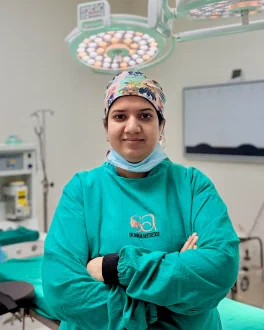
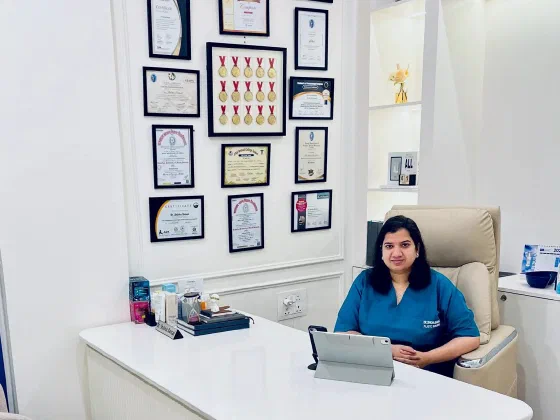
Dr. Shikha Bansal approaches tummy tuck planning through individual consultation, including discussion of candidacy, scar trade-offs, recovery demands, and any risk factors that may need attention before proceeding. If you would like an individualized review, you can book a consultation to discuss whether a tummy tuck, a staged plan, or a broader contouring approach is the right option for you.