
You’re thinking about breast augmentation, or you already have implants, and somewhere in the back of your mind there’s a question: what happens when I need a mammogram later? It’s a reasonable worry. And it doesn’t get answered well enough in most consultations.
Here’s the honest version: women with implants can absolutely still get breast imaging. But you need to be more deliberate about it. Tell the imaging centre what you’ve had done, share your breast history, and understand that screening for routine purposes and investigating a new symptom are two separate things. If you’re considering breast augmentation or breast fat transfer, this conversation is better had before surgery than after something shows up on a scan.
This guide covers what actually changes, what stays the same, and the questions worth raising with your doctor. It’s not a substitute for personalized screening advice from your radiologist.
Who this article is for
- You’re thinking about implants and worrying about what happens at your next mammogram
- You’re considering fat transfer and wondering whether it complicates future scans
- You have a breast imaging appointment coming up and aren’t sure what to tell the technician
- You’ve heard implants “block” cancer screening and want the real picture
- You’re looking for practical questions to bring into a consultation in Gurgaon, Delhi NCR, or elsewhere in India
If you want a straight explanation of the imaging logistics rather than someone telling you “don’t worry, it’s fine” or “that’s too risky,” keep reading.
Can women with breast implants still get mammograms?
Yes. Full stop. Implants don’t prevent breast screening. They do make the conversation with your imaging centre more important, though.
The mammogram technician and radiologist need to know:
- that you have implants
- whether they’re silicone or saline, if you know
- when the surgery happened
- whether the implant sits above or below the chest muscle, if you have that detail
- whether you’ve had breast symptoms, prior biopsies, or a family history that might change how they approach the scan
Implants can block part of the breast tissue on standard views. That’s why some centres use implant-displacement views, where the technician gently pushes the implant back and pulls the breast tissue forward. You don’t need to memorize the technique, but you should know that imaging with implants may involve slightly different positioning.
The real point: don’t assume implants make screening impossible. Just make sure the imaging team knows what surgery you had so they can plan the study properly.
Why you should tell the imaging centre upfront
This sounds obvious, but it gets missed surprisingly often. Tell the radiology team before the appointment, not while you’re already gowned up.
They’ll want to know:
- what kind of surgery you had
- whether it was implants, fat transfer, or both
- whether you’re there for routine screening or because of a specific concern (a lump, pain, discharge, a shape change)
- whether you have older reports or films they can compare against
This matters more than people realize. Routine screening is one conversation. Investigating a new symptom is a completely different one. If you’ve noticed a new breast lump, sudden swelling, pain that won’t go away, skin changes, nipple discharge, or a shift in breast shape, that needs proper evaluation. Not just a routine checkup.
Questions that come up before surgery
Women considering augmentation often ask whether they should get imaging done first. Sometimes that means baseline imaging, but it should be tailored to you rather than applied as a blanket rule.
Whether baseline imaging makes sense depends on:
- your age
- your personal or family breast history
- whether you have a current symptom
- whether earlier imaging has already flagged a benign finding that needs tracking
- your surgeon’s and radiologist’s clinical judgment
The question isn’t really “Does every patient need a mammogram before augmentation?” It’s more useful to ask: “Given my age, history, and what I’m planning, would any preoperative imaging help?”
The same logic applies after surgery. Follow-up imaging depends on why the scan is being done, what procedure you had, and whether there are new symptoms or older findings to compare against.
How implant placement affects imaging
You don’t need to become a radiology expert, but it helps to know that where the implant sits can change how the team approaches the scan. An implant under the chest muscle creates a different relationship with the overlying breast tissue than one placed above it.
That doesn’t mean one placement is “easy” to image and the other is “impossible.” It means the radiologist needs your surgical background to read the scan in the right context. Good imaging comes from proper technique and clear communication, not guesswork.
If you don’t remember your implant plane or exact implant details, bring your surgical records. If you don’t have those, just tell the team your surgeon’s name and roughly when you had the surgery.
Fat transfer affects imaging too
People assume this topic is only about implants, but breast fat transfer can change the imaging picture as well. Fat transfer doesn’t place a device in your breast, but the transferred fat can produce oil cysts, calcifications, or other findings as it heals.
That doesn’t mean something is wrong. It means the radiologist needs to know about your fat grafting so they can read the scan accurately rather than chasing a false alarm.
This is why preoperative counseling should touch on future imaging. Even a procedure using your own tissue becomes part of your breast history, and it belongs in every future radiology conversation.
When ultrasound or MRI might be discussed
Most patients think of mammograms and stop there. But ultrasound or MRI can also come into play depending on why you’re being scanned.
Ultrasound might be recommended when:
- you have a specific symptom like a palpable area or localized pain
- the radiologist wants a closer look at something seen on the mammogram
- your age, tissue density, or clinical situation makes ultrasound a useful addition
MRI tends to be more selective. It might come up when the radiologist needs additional clarity, or when there are implant-specific questions that other imaging can’t fully answer. Not every patient with implants needs MRI, and not every concern should jump straight to advanced imaging. It depends on what question the doctor is trying to answer.
Think of imaging in terms of purpose:
- routine screening
- implant assessment
- investigating a new symptom
- following up on an earlier finding
These overlap, but they aren’t the same thing.
Common imaging questions at a glance
| Question | Practical answer |
|---|---|
| Can I still get a mammogram if I have implants? | Usually yes, but the imaging centre should know about the implants in advance. |
| Should I mention fat transfer too? | Yes. Prior fat grafting can affect how some findings are interpreted. |
| Do implants always block breast tissue completely? | No, but they can affect standard views, so additional positioning may be used. |
| Does every woman need baseline imaging before surgery? | No universal rule fits everyone. It depends on age, symptoms, history, and clinical judgment. |
| If I have breast symptoms, should I wait for routine screening? | No. New symptoms need proper medical evaluation rather than casual reassurance. |
| Will ultrasound or MRI replace mammography for everyone? | Not automatically. The right test depends on the reason imaging is being done. |
Practical checklist for your imaging appointment
Before the appointment, try to have ready:
- the date of your breast surgery
- whether you had implants, fat transfer, or another breast procedure
- any older imaging reports, if you can find them
- details of current symptoms, if any
- your surgeon’s name and clinic records if you’re fuzzy on implant specifics
During the visit, make sure the team knows:
- whether this is routine screening or you’re there about a symptom
- what your concern is: a lump, swelling, pain, shape change, discharge, or something else
- whether you’ve had previous biopsies or other breast procedures
After the scan, don’t just assume everything is fine if the report mentions follow-up. Ask what the next step is, who should review the result, and whether you need to loop in your plastic surgeon or referring doctor.
What this article can and can’t do
It can help you figure out which questions to ask before and after surgery. It can also save you from a common mistake: treating cosmetic breast surgery and breast symptom evaluation as the same conversation. They aren’t.
What it can’t do is set your personal screening schedule, diagnose anything, or tell you whether a mammogram, ultrasound, or MRI is the right choice for you. Those decisions are between you, your treating doctor, and your radiologist.
Surgeon commentary: plan ahead, skip the false reassurance
The most honest thing to say isn’t “implants are never a problem.” And it’s not “implants make breast screening impossible.” Both are oversimplifications.
What actually helps is planning:
- discuss your breast history before surgery
- ask whether baseline imaging makes sense in your case
- keep a record of what was done
- tell future radiologists about implants or fat transfer
- take new breast symptoms seriously instead of assuming they’re just post-surgical changes
Breast imaging works best when the radiologist understands the surgical context. Good records and upfront communication prevent the kind of confusion that leads to unnecessary worry (or missed findings) later.
When to talk to a plastic surgeon
A consultation makes sense if:
- you want implants but feel anxious about future screening
- you’re deciding between implants and fat transfer and want to understand the imaging differences
- you have a breast history, family history, or prior imaging findings that should be part of the surgery conversation
- you’ve already had breast surgery and aren’t sure how to handle future imaging
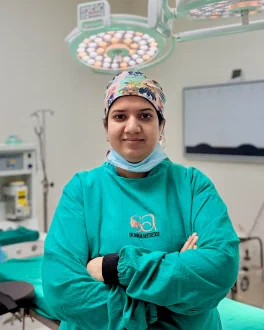
Dr. Shikha Bansal can review your goals, breast history, and planned procedure, and discuss whether any imaging should happen before surgery and what information you’ll want to keep for future radiology visits.
Frequently asked questions
Can breast implants cause problems with mammograms?
They make the imaging process a bit more specialized, but they don’t prevent mammography. The key step is letting the imaging centre know so the study is done with the right technique.
Do I need a mammogram before breast augmentation?
Not necessarily. Whether preoperative imaging makes sense depends on your age, symptoms, medical history, family history, and your surgeon’s recommendation. There’s no single rule.
Should I tell the radiologist if I had fat transfer instead of implants?
Yes. Fat transfer is still part of your breast history, and it can explain certain imaging findings that might otherwise look concerning.
If I feel a lump after breast surgery, should I just wait for my next routine screening?
No. A new symptom should be evaluated on its own. Routine screening and symptom investigation are different processes, and one shouldn’t substitute for the other.
Does MRI replace mammography after implants?
Not automatically. MRI can be useful in specific situations, but the right test depends on the clinical question being asked.
Can this article tell me when I should start breast cancer screening?
No. That’s a personalized decision that should come from your doctor or radiologist based on your individual risk profile.
Next step
If breast imaging is on your mind before augmentation, raise it early in consultation. It’s much easier to plan well before surgery than to piece together answers afterward.
For personalized guidance in Gurgaon or Delhi NCR, you can book a consultation with Dr. Shikha Bansal to discuss breast augmentation, breast fat transfer, and the imaging questions that apply to your situation.