

If you are considering breast reduction surgery, the question on your mind probably isn’t just “how long is recovery?” It’s more like: when can I pick up my toddler? When will I sleep properly again? When can I actually go back to work without regretting it?
Recovery happens in stages, and not everything improves at the same speed. Pain settles before swelling does. Energy comes back before your incisions are fully healed. You might look great in the mirror while still feeling wiped out by 3 pm. That unevenness catches people off guard.
This guide walks through what to expect week by week so you can plan your time off, arrange help at home, and set expectations that match reality. Your own recovery will depend on your surgical technique, how much tissue was removed, whether drains were used, and your surgeon’s preferences. Follow your own post-op instructions first, always.
How long is breast reduction recovery?
Breast reduction recovery time runs in stages rather than one fixed number. The first week is the most restricted, and desk work is often possible around 10 to 14 days. Light cardio usually returns around weeks 5 to 6 after a surgeon review, shape is usually much more settled by months 3 to 6 with final shape judged from around 6 months, and scars mature over 12 to 18 months. Downtime tends to be longer for jobs that involve lifting, for larger resections, and when drains are used.
Who this article is for
This is for women who are:
- planning breast reduction and want a realistic picture of recovery before committing
- trying to figure out how much time off work they actually need (not the optimistic version)
- wondering how long sleep restrictions, bra support, swelling, and lifting limits really last
- tired of reading vague “full recovery takes six weeks” summaries that don’t answer the practical questions
If you are juggling symptom relief with a job, young kids, or a household that depends on you, the planning details here should help.
Why recovery planning matters more than people expect
Breast reduction is usually chosen for real, daily discomfort: heaviness, neck and shoulder pain, bra-strap grooving, skin rashes, posture problems, difficulty exercising. Even when the surgery is clearly the right call, the first stretch of recovery goes better when logistics are sorted out beforehand.
Here’s why that matters:
- Lifting, reaching, and repetitive arm movement will be uncomfortable or off-limits early on
- Sleep gets awkward until swelling and chest tightness ease up
- Driving, childcare, cooking, and housework will need temporary help from someone else
- Energy returns more slowly than most patients expect, even when pain is manageable
You won’t need bed rest for weeks. But you also shouldn’t assume you’ll bounce back in three days. The women who have the smoothest recoveries are usually the ones who planned for a gradual return instead of a rushed one.
Recovery timeline at a glance
Most women need about 1-2 weeks off desk work and around 6 weeks before returning to fuller activity.
| Recovery period | What you’ll likely notice | Practical focus |
|---|---|---|
| Day 1 to week 1 | Tightness, soreness, swelling, fatigue, limited arm movement | Rest, short indoor walks, medication schedule, hydration, help at home |
| Week 2 | Less soreness, but swelling and low stamina persist | Light routine, short walks, incision care, desk or work-from-home tasks possible for some from around days 10 to 14, no lifting or overreaching |
| Weeks 3 to 4 | More independence, better mobility, breasts still firm or sitting high | Most desk workers are back at work by this point; some return from around days 10 to 14; continued support bra, gradual routine rebuilding |
| Weeks 4 to 6 | Energy improves, discomfort becomes milder, swelling slowly settling | Careful activity increase, surgeon-guided return to exercise, no rushing heavy lifting |
| Beyond 6 weeks | Day-to-day comfort is better, scars still maturing, breast shape still refining | Long-term scar care, bra transition, patience with final settling |
This is a planning guide. Some women recover faster, others need more time because of swelling, slower energy return, or more extensive surgery.
Day 1 to week 1: the hardest stretch
The first week is the most physically restrictive part of recovery. Most patients describe chest tightness, heaviness, soreness, and tiredness rather than constant severe pain. Moving slowly and carefully feels right. Stretching your arms or picking things up does not.
During this period, expect:
- Swelling and firmness in both breasts
- Discomfort when pushing, pulling, or lifting anything
- Fatigue from surgery, anesthesia, broken sleep, and medications
- Needing help with basic tasks, especially the first three or four days
Your surgeon will likely ask you to wear a surgical bra or supportive post-op garment around the clock. This helps support healing tissue and manage swelling. You’ll also get instructions about dressings, drains if used, and when you can shower.
Sleep in the first week
Most surgeons ask you to sleep on your back with your upper body slightly elevated during early recovery. This reduces pressure on the chest and feels more comfortable when swelling peaks. If you normally sleep on your side or stomach, this is one of the hardest adjustments.
A wedge pillow, extra pillows behind your back, or a recliner position all work. Don’t expect perfect sleep. The goal is to protect the healing area and make rest tolerable for the first stretch.
Work, driving, and childcare in week 1
Most women are not ready for work in the first several days, even desk work. Fatigue, discomfort, limited arm use, and the need to stay on top of medications and wound care all get in the way.
Driving is usually off limits until you stop taking sedating pain medication and can turn, brake, and steer without hesitating. If you have a toddler who expects to be picked up, you need someone else handling that. Even a brief lift puts strain on healing tissue.
Weeks 2 to 4: feeling better, but not fully back
This period feels encouraging because you start to feel less fragile. Pain improves, independence increases. But swelling, tightness, and fatigue are still very present. A common experience: you look noticeably better before you feel fully back to normal.
During weeks 2 to 4, patients often:
- Move around more comfortably
- Reduce or stop stronger pain medicines
- Resume light desk work or work-from-home tasks if recovery is smooth
- Continue wearing the post-op bra or a supportive bra their surgeon recommended
- Feel impatient because confidence returns before tissues have fully healed
This is the stage where overdoing it happens most. You feel capable of normal tasks, but repeated lifting, upper body workouts, or long days out can set back swelling or bring soreness back.
Returning to desk work
Women with desk jobs often return somewhere in this window, depending on comfort, commute length, and how draining the workday is physically. Working from home is easier at first because you can rest between tasks and skip the travel.
If your job involves standing for hours, frequent arm movement, patient handling, or lifting, you will probably need longer.
Household activity
Light activity gets easier around this time, but “light” still means light. Folding a small load of laundry, making a simple meal, walking a bit more are all reasonable. Carrying grocery bags, lifting children, rearranging furniture, scrubbing floors? Still too much for most women at this stage.
Weeks 4 to 6: rebuilding routine carefully
By week 4, daily life feels substantially better. Pain is much lower. But intermittent tenderness, swelling, pulling sensations, numb patches, and sensitivity around the incisions still pop up. The breasts will likely still sit higher and feel firmer than the final result.
What to expect in weeks 4 to 6:
- Routine movement is easier
- Stamina improves but still fluctuates, especially after busy days
- Breast shape looks more settled but not final
- Swelling is better but not completely gone
- Scars are healing but still early, usually more noticeable now than they will be later
This is when patients want to restart exercise or normal lifting. That impulse makes sense, but the timing should be guided by your surgeon. Skin healing on the surface doesn’t mean internal tissues are ready for strain.
Beyond 6 weeks: feeling more like yourself
After six weeks, most women feel much more like themselves in daily life. That doesn’t mean recovery is done in every sense. Swelling continues improving, scars keep maturing for months, and breasts soften and settle further.
The early shape keeps changing. Breasts may look slightly high, full, firm, or uneven during the first months of healing. Minor differences in swelling between sides are normal. You can’t judge final scar quality or shape in the first few weeks.
This is why we set expectations carefully at the consultation stage. Early improvement is real, but the body is still remodeling long after you return to your routine.
Practical recovery questions patients usually ask
When can I sleep on my side?
It depends on your surgeon’s instructions and your comfort. Most patients are asked to stay on their back early on and shift gradually once tenderness, swelling, and incision sensitivity improve. Rolling slightly in your sleep once healing is underway is different from deliberately choosing a full side-sleeping position too early. Ask your surgeon for timing specific to your case.
How long do I need to wear a surgical bra?
Most surgeons want continuous support during the early phase, then move you to a soft, supportive bra for a longer period. The specifics vary, but support remains important even after the breasts start looking better on the outside.
When can I drive?
Driving is usually cleared once you’re off sedating pain medicine and can turn, brake, and steer comfortably without flinching. For some women that happens relatively soon. For others, soreness or restricted arm movement pushes it out further.
When can I lift my child?
This is one of the most important things to plan before surgery. If your child needs regular carrying, assume you will need help during early recovery. Even if you feel emotionally ready, your tissues may not be ready for repetitive lifting. Get a specific weight limit and timeline from your surgeon before the operation.
When can I exercise again?
Walking is usually encouraged early. Gym workouts, running, yoga poses that load the chest or arms, swimming, and strength training are delayed until healing progresses further. Return should be gradual and surgeon-guided.
A typical staged return to workouts after breast reduction looks like this:
- First days onward: short, gentle walks, building up as comfort allows
- Around weeks 5 to 6: light cardio, such as brisk walking or a stationary bike, is often reintroduced after a surgeon review
- Later, once cleared: running, upper-body weights, swimming, and yoga poses that load the chest wait until the wounds have matured and the surgeon gives clearance
What’s typically normal during recovery
These are common parts of a routine recovery. You should still mention anything that concerns you at your follow-up appointments:
- Swelling that improves gradually rather than all at once
- Bruising or color changes that fade over days and weeks
- Breasts feeling firm, tight, high, or slightly uneven early on
- Temporary numbness or changes in sensation
- Tiredness that outlasts the worst of the pain
- Scars that look pink, raised, or obvious before they mature and flatten
“Normal” doesn’t mean identical for every patient. These changes are commonly seen and generally improve with time.
Possible complications after breast reduction
Breast reduction is a well-studied operation, but it is real surgery and carries breast reduction risks that are discussed before consent. Most problems are minor and settle with dressings, time, or a small procedure, while a few need urgent review. Knowing them in advance helps you tell an expected recovery sign from one that needs a call.
- Delayed healing or wound separation. This is the most common problem, usually at the inverted-T junction where the vertical and fold scars meet in an anchor pattern. It is usually managed with dressings and time.
- Haematoma. Bleeding that collects inside the breast, typically in the first 24 to 48 hours, is the most common reason for a return to theatre. Sudden one-sided swelling or tightness is reviewed urgently.
- Infection and seroma. A wound infection is usually treated with antibiotics, and a fluid collection sometimes needs to be drained with a needle.
- Fat necrosis. A firm, sometimes tender lump can form where a patch of fat loses its blood supply. It usually softens over months, but some lumps persist, and any new lump should be checked, as fat necrosis can show on later breast imaging and occasionally needs a scan or biopsy to confirm.
- Nipple-areola skin loss. Partial loss of areola skin is possible and, rarely, loss of the whole nipple-areola complex.
- Blood clots. There is a small risk of deep vein thrombosis (DVT) and pulmonary embolism (PE), which is why early walking is encouraged.
- Asymmetry, contour irregularities and revision. Minor differences between sides or small puckers at the ends of scars can remain, and a small revision procedure is sometimes needed once healing is complete.
Nicotine in any form, a BMI of 30 or above, diabetes, previous chest-wall radiation, and very large resections all raise wound-healing and blood-supply risk. For that reason, nicotine needs to stop for at least 4 weeks before and after surgery. Permanent scars are an expected trade-off of the operation, and changes in nipple sensation are common, rather than complications. Breast reduction can reduce or prevent the ability to breastfeed, and a future pregnancy or weight change can alter the result, so discuss family plans with your surgeon before consent. The full risk discussion is on the breast reduction surgery page.
When to contact your surgeon
Call your surgeon if you notice:
- Fever or feeling increasingly unwell
- Sudden worsening pain instead of gradual improvement
- Marked one-sided swelling or tightness that seems to be getting worse
- Redness that is spreading
- Persistent drainage, bad odor, or concern that an incision is opening
- A nipple or areola that turns dark, purple, blue or very pale
- Pain, swelling or warmth in one calf
- Sudden shortness of breath or chest pain: go to the nearest emergency department or call emergency services, then inform your surgeon
When in doubt, call. Post-operative instructions and emergency thresholds vary between patients.
Pre-op preparation for a smoother recovery
Plan for the first two weeks, not just the first two days.
- Arrange childcare help, especially for any lifting
- Prepare loose, front-opening clothes that don’t require pulling over your head
- Keep medicines, water, phone charger, and snacks within arm’s reach of where you’ll rest
- Set up pillows or a wedge for back sleeping
- Cook meals ahead or plan simple options that don’t require standing for long
- Discuss time off work honestly rather than assuming the shortest possible timeline
- Ask your surgeon when you can shower, drive, return to the office, and change bras
- Clarify lifting limits before surgery if you have kids at home
This planning won’t make recovery identical for everyone. But it takes real stress off the first week when your body most needs rest.
What keeps changing after early recovery
Once the first few weeks are over, the relief is real. But some things continue to evolve:
- Swelling may keep settling even after discomfort fades
- Scars usually look more noticeable before they mature and soften
- Breast softness and lower-pole settling improve gradually
- Nipple sensation can fluctuate during healing; it often improves over months, but in some women reduced sensation is permanent
Comfort, scars, and shape each follow their own timeline. You might be back at work before you feel fully energetic, and feel energetic before the breasts look fully settled. That’s normal.
Frequently asked questions
How painful is breast reduction recovery?
Most women describe it as soreness, tightness, and fatigue rather than unbearable pain. The exact experience depends on how much tissue was removed, your pain tolerance, and how your body heals. The first few days are the worst, and it improves steadily from there.
How much time off work should I plan after breast reduction?
It depends on what your job requires. Some women with desk work go back within a couple of weeks. Jobs that involve lifting, patient care, repeated arm movement, or long active shifts usually need more time. Be honest with yourself about what your workday actually involves.
When does swelling go down after breast reduction?
Swelling improves in phases. The most noticeable drop happens in the first few weeks, but some residual swelling sticks around while the breasts continue settling. It’s not unusual for subtle changes to continue for several months.
When can I stop sleeping on my back?
This depends on your surgeon’s guidance, your comfort, and how your incisions are healing. Most women need back sleeping for the early phase and then transition gradually. Suddenly switching back to stomach sleeping at week two is not a good idea.
When can I exercise after breast reduction?
Walking is usually fine early on. Higher impact exercise and strength training wait until later in the healing process. Your surgeon should guide timing based on how your recovery is going.
Will my scars and shape look final by six weeks?
No, not usually. By six weeks most women function much better in daily life, but scars continue maturing and breast shape keeps softening and settling well beyond that point. Give it time.
When to speak with a plastic surgeon
If you’re considering reduction, the most useful consultation is one that covers both symptom relief and recovery logistics. That means discussing:
- How much time you’ll realistically need away from work
- How childcare, commuting, and lifting restrictions will affect your first few weeks
- What kind of support bra plan makes sense
- When you can expect to walk, drive, exercise, and start scar care
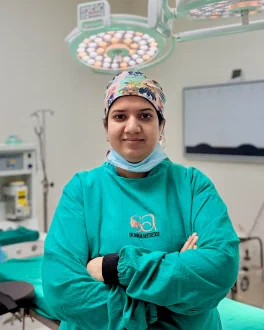
In a consultation, Dr. Shikha Bansal can assess your breast size, skin quality, symptoms, lifestyle, and support needs to give you a realistic picture of what recovery will look like for you in Gurgaon or Delhi NCR. The goal isn’t a one-size-fits-all timeline. It’s preparation that actually fits your life.
Next step
If breast reduction is something you’re actively considering, recovery planning should be part of the decision from the start. Knowing the likely timeline for sleep, work, childcare, exercise, and swelling helps you choose surgery at a time when you can heal more comfortably. This timeline is general information; your own recovery plan comes from your surgeon after examination.
If you’d like individualized guidance, you can book a consultation with Dr. Shikha Bansal to discuss whether breast reduction surgery fits your symptoms, body, and recovery needs.